
Behavior Help at Home: ABA Strategies for Parents
Practical support for tantrums, aggression, transitions, bedtime struggles and more. Plus, professional guidance when you want a clear plan that actually works.
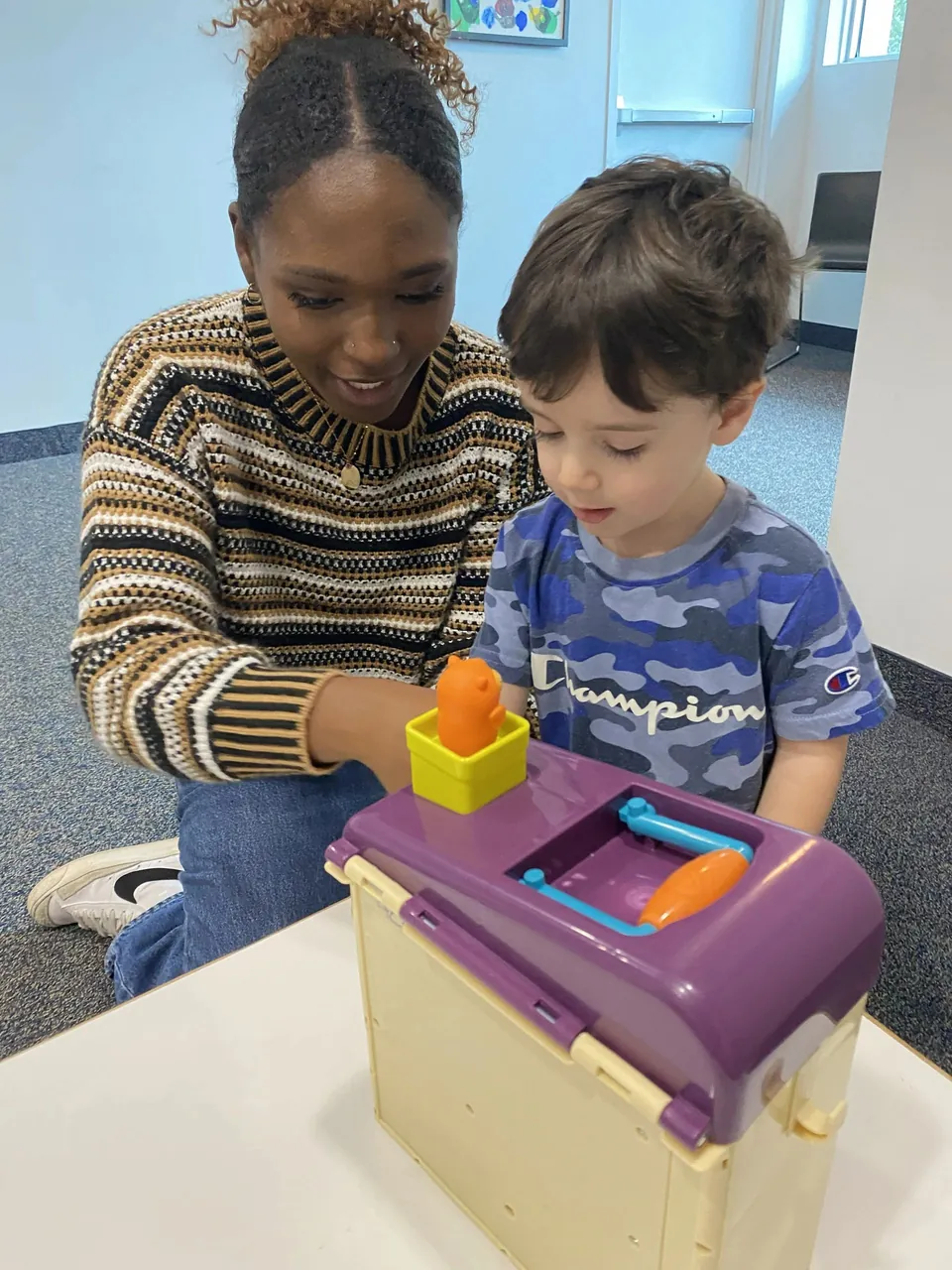
Intro to ABA strategy. See our blog for in-depth reading.
Dealing with challenging behaviors at home?
You're not alone and you're not failing. Challenging behaviors often show up when a child is overwhelmed, trying to communicate a need, or trying to avoid something difficult. The fastest way to make progress is to get clear on when it happens, what happens right before, and what happens right after.
Below are practical steps you can try right away, and options for professional support if you want help building a plan for your child and your home routines.
Common behavior challenges at home
- Tantrums and frequent meltdowns
- Aggression (hitting, kicking, biting)
- Refusal and power struggles (homework, bath time, getting dressed)
- Transitions (turning off screens, leaving the house, stopping preferred activities)
- Bedtime battles and difficult routines
- Safety concerns (running off, unsafe climbing, self-injurious behavior)
- Sibling conflict and unsafe play
- Difficulty following directions
- Communication-related frustration (screaming, crying, dropping to the floor)
Why challenging behavior happens
Most challenging behaviors are doing a job for the child. Common reasons include:
- To get something (attention, a toy, the iPad, snacks, a preferred activity)
- To avoid something (a demand, a transition, a non-preferred task)
- Because it feels overwhelming (sensory overload, fatigue, hunger, change, frustration)
Once you understand the pattern, you can teach a replacement skill and respond consistently so the challenging behavior becomes less useful for your child and better skills take its place.
Try this today
If things feel intense, start small. Pick one behavior to focus on first and try these steps for 2-3 days:
- Write down what the behavior looks like (keep it specific)
- Notice the common triggers (time of day, transitions, demands, hunger, screens)
- Notice what happens right after (did the child get attention, escape, or access to something?)
- Use clear expectations before transitions ("First X, then Y")
- Reinforce the behavior you want to see (praise + small rewards that matter to your child)
- Keep responses calm and consistent during the problem behavior
- If safety is involved, prioritize a safety plan and extra support
A simple 5-step plan that works in real homes
- Choose one priority behavior to target first (the one that impacts daily life most).
- Define it clearly so everyone knows what counts (example: "screaming longer than 10 seconds").
- Find the pattern by tracking what happens before and after for a few days.
- Teach a replacement skill (asking for help, asking for a break, requesting attention appropriately).
- Reinforce the replacement more than the problem behavior so the new skill "wins."
When to get professional help
If behaviors are frequent, intense, unsafe, or not improving with consistent strategies, a Board Certified Behavior Analyst (BCBA) can assess why the behavior is happening and build a plan with you. Learn about our in-home ABA therapy, school-based support and community-based ABA, or read more on our blog.