
ABA Therapy for Toddlers and Early Intervention
The toddler years are when the brain is learning fastest, and when the right support can make the biggest difference. Here is what early ABA looks like for 18-month to 5-year-olds, and how to get started.
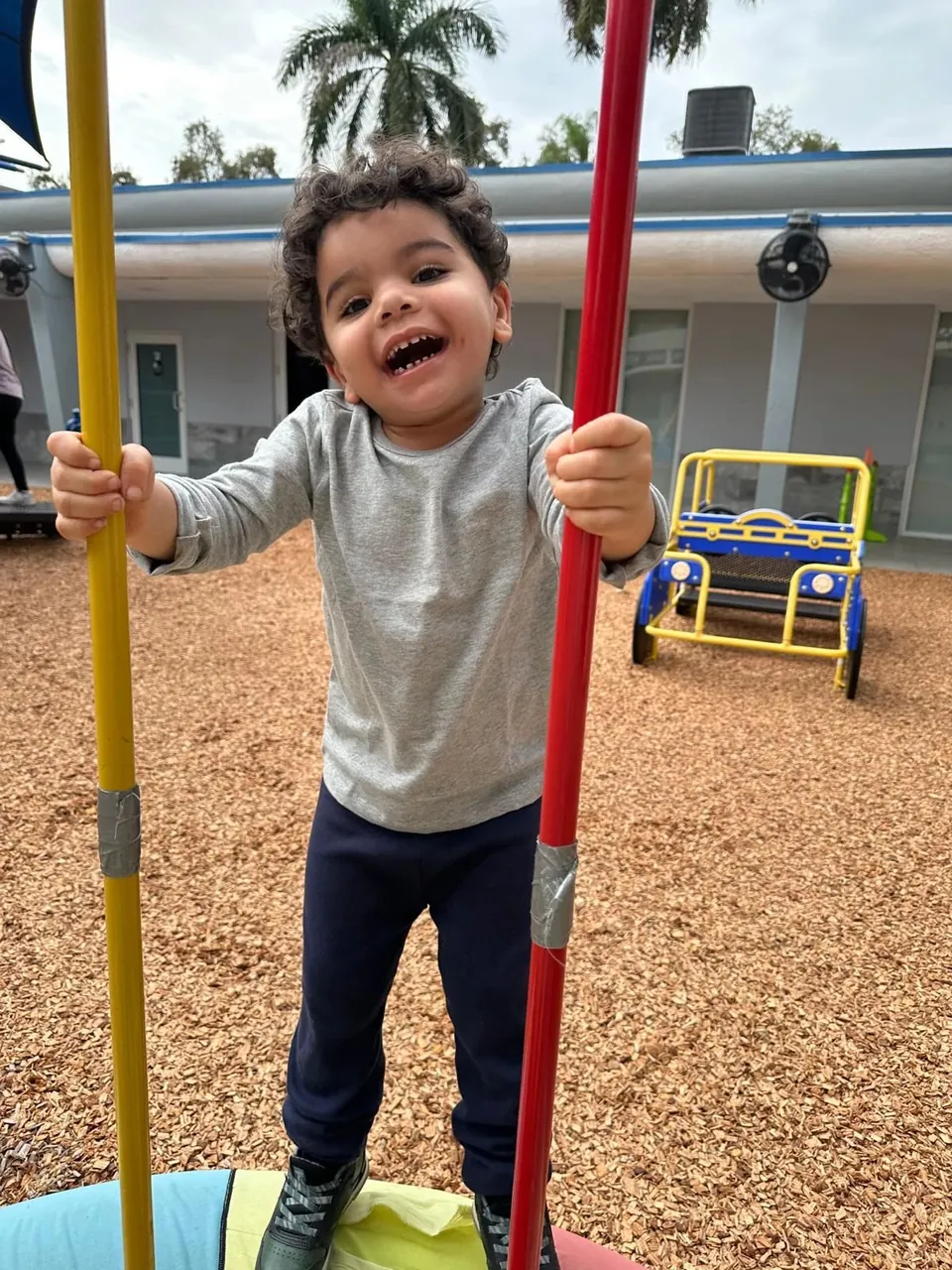
Why start early
The American Academy of Pediatrics recommends that children with developmental delays be referred for intervention as soon as the delay is identified, without waiting for a formal autism evaluation[1]. Research on early intensive behavioral intervention suggests that young children who receive it tend to make larger gains in adaptive skills and language than those in typical services, although results vary and the evidence base is still growing[2].
Signs that it may be time to ask
Every child develops on their own timeline, but talk to your pediatrician, and to us, if your toddler:
- Is not responding to their name by about 12 months
- Rarely points, waves, or shows you things they are interested in
- Has few or no words by 16-18 months, or loses words they used to say
- Makes limited eye contact or seems uninterested in back-and-forth play
- Has intense reactions to changes in routine, sounds or textures
- Lines up or repeats play in the same way most of the time
Pediatricians commonly use a short questionnaire called the M-CHAT-R/F at the 18- and 24-month checkups[3]. The CDC's free "Learn the Signs. Act Early." milestone tracker is also a helpful tool for parents[4].
What toddler ABA looks like
For little ones, ABA should look and feel like play. Your child's therapist follows their interests (bubbles, cars, songs, snacks) and builds tiny learning moments into those activities: making a sound or word to ask for more bubbles, imitating a clap, taking a turn, waiting a few seconds. This naturalistic, developmental style of ABA has a strong research base for young children[5].
Common goals for toddlers include:
- Communication: requesting, pointing, first words or signs
- Joint attention and imitation
- Play skills and tolerating play near other children
- Following simple directions and routines
- Sleep, feeding and early toileting routines
- Calmer ways to handle frustration than tantrums
Parents are the most important part
Toddlers spend most of their waking hours with their families, so every Thrive program includes parent coaching. We show you how to turn everyday moments (bath time, meals, getting dressed) into practice opportunities, so progress keeps happening between sessions. See parent training.
Free state services for children under 3
Florida's Early Steps program provides early intervention evaluations and services for infants and toddlers from birth to 36 months who have or are at risk for developmental delays[6]. Early Steps and ABA can work together. If you are not sure where to begin, our autism evaluation guide walks through the options in Miami-Dade and Broward.
Getting started
We provide toddler ABA at home and in the community across Miami-Dade and Broward. To talk about your child, book a free 15-minute consultation.
References
- Hyman SL, Levy SE, Myers SM; AAP Council on Children With Disabilities. Identification, Evaluation, and Management of Children With Autism Spectrum Disorder. Pediatrics 2020;145(1):e20193447. https://doi.org/10.1542/peds.2019-3447
- Reichow B, Hume K, Barton EE, Boyd BA. Early intensive behavioral intervention (EIBI) for young children with autism spectrum disorders. Cochrane Database of Systematic Reviews 2018, Issue 5. CD009260. https://doi.org/10.1002/14651858.CD009260.pub3
- Robins DL, Fein D, Barton M. Modified Checklist for Autism in Toddlers, Revised with Follow-Up (M-CHAT-R/F). https://www.mchatscreen.com/
- Centers for Disease Control and Prevention. Learn the Signs. Act Early. https://www.cdc.gov/act-early/
- Schreibman L, et al. Naturalistic Developmental Behavioral Interventions: Empirically Validated Treatments for Autism Spectrum Disorder. Journal of Autism and Developmental Disorders 2015;45(8):2411-2428. https://doi.org/10.1007/s10803-015-2407-8
- Florida Department of Health. Early Steps (early intervention for infants and toddlers, birth to 36 months). https://floridaearlysteps.com/
Frequently asked questions
Please reach us at info@thrivebehavioraltherapy.com if you cannot find an answer to your question.
Does my toddler need an autism diagnosis to start ABA?
Most insurance plans require an autism diagnosis to cover ABA. If you are still waiting for an evaluation, we can talk about next steps and parent coaching in the meantime, and Florida's Early Steps program serves children under 3 with developmental delays.
What is the youngest age you work with?
Thrive works with toddlers and young children. Call us to talk about your child's age and needs.
Are toddler sessions done at home?
Usually, yes. Home is where toddlers spend most of their day, so in-home sessions let us work on real routines. See in-home ABA.
How long are toddler sessions?
Session length and weekly hours are recommended by the BCBA after an assessment and adjusted to your child's age, attention span and family schedule.